



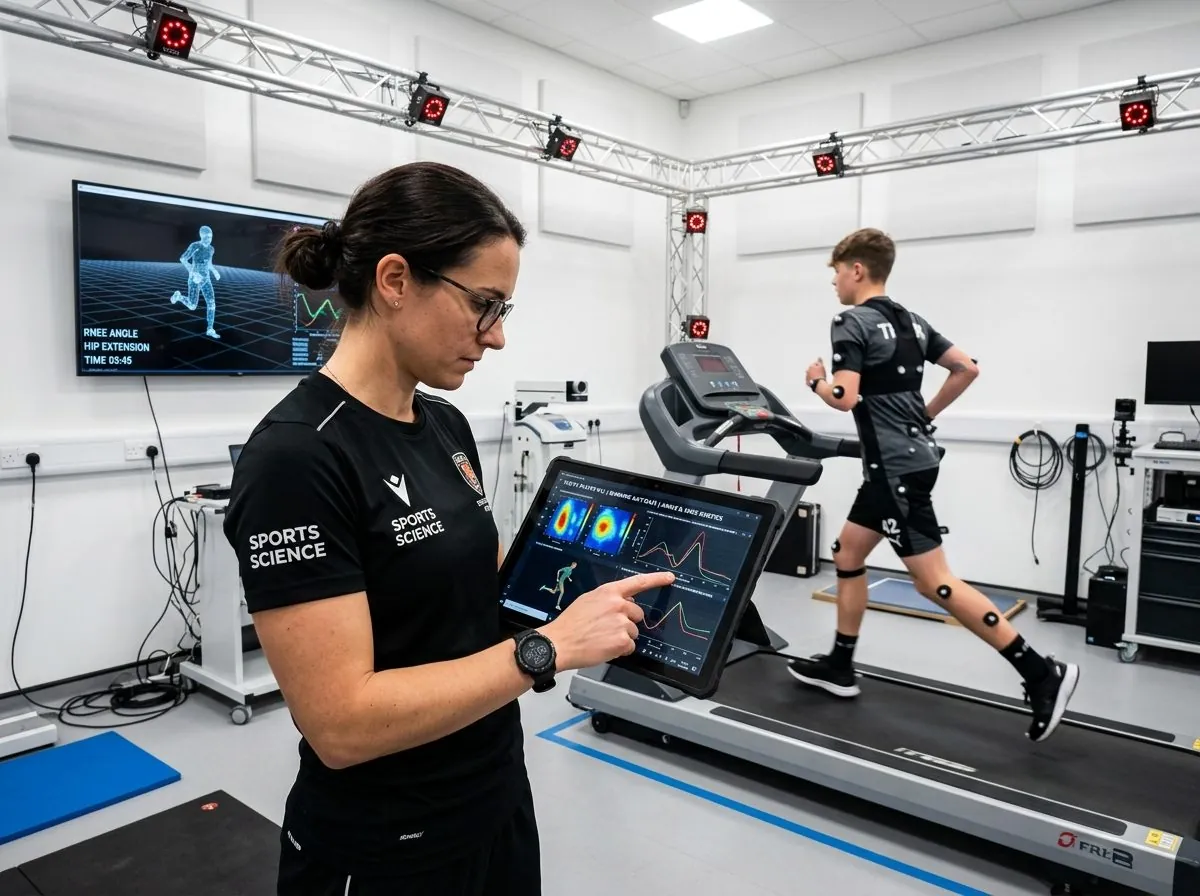
Monitoring performance over time
Periodic, comparable assessments to follow each athlete’s progress, season after season.
The progress report
Each assessment is archived and compared with previous ones, building a history of the athlete’s progress. The reference model includes three assessments per season.
Baseline mapping
Anthropometric, postural, functional and conditioning measurements to establish the starting point.
Progress monitoring
Checking adaptation to the work done and how the indices are developing.
Progress history
A summary of the athlete’s development and guidance for the following season.
Progress is a difference
A single figure says little; the change between two assessments tells the story.
Improvements
Shows where the athlete is improving compared with the previous assessment.
Stability
Shows the areas where the profile stays consistent over time.
Areas to watch
Flags possible regressions to look into with the staff.
Chronological and biological age
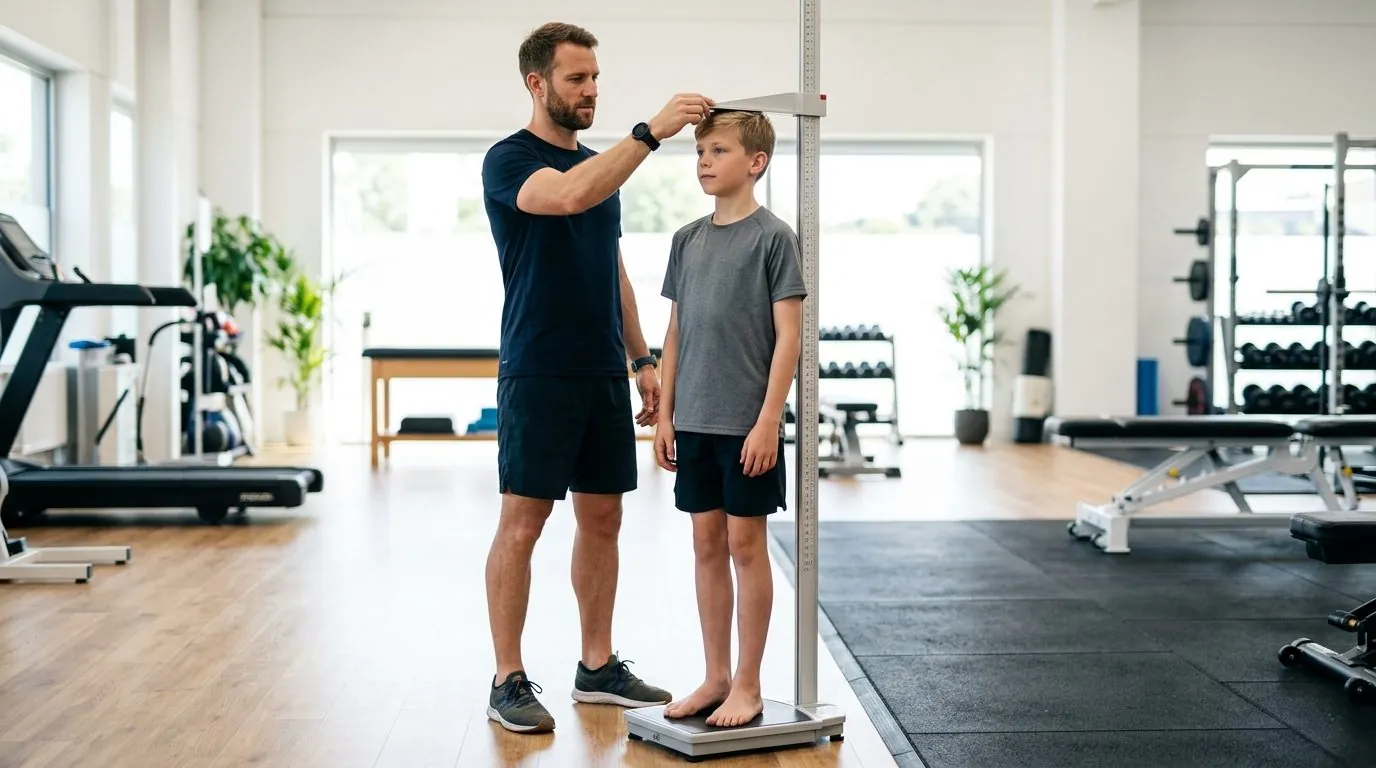
Athletes born in the same year can be at very different stages of development. This is why APS records growth in stature, anthropometric parameters and estimated biological maturation: data that help staff interpret performance in the light of individual development.
This is the principle behind approaches such as bio-banding, which groups athletes by stage of maturation as well as by age: APS provides the growth data, while organisational choices remain with the club.
One index to read the season
The Performance Index summarises 29 parameters observed by coaches across 4 areas – physical-athletic, technical, tactical and behavioural – making it easy to follow how the season is going.
- Comparison with the previous assessment.
- Strengths and development areas.
- Goals shared with the staff.
Athlete A. · Under 13
▲ = change compared with the pre-season assessment. Values are examples and do not refer to real athletes.
Know. Assess. Improve.
Find out how APS can support your club’s staff with a structured method and data that can be compared over time.